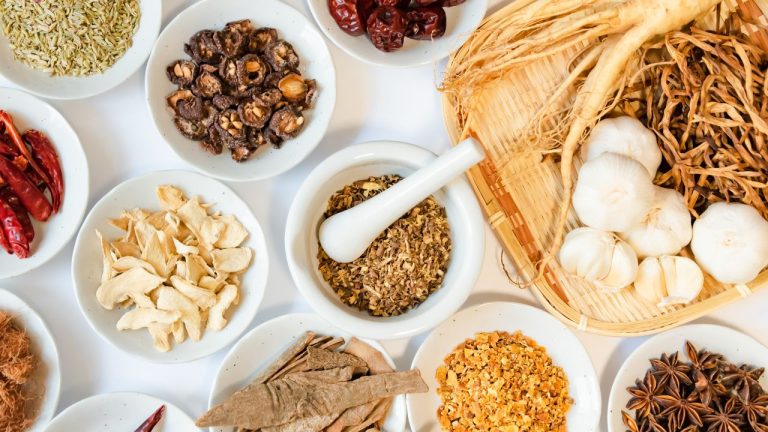

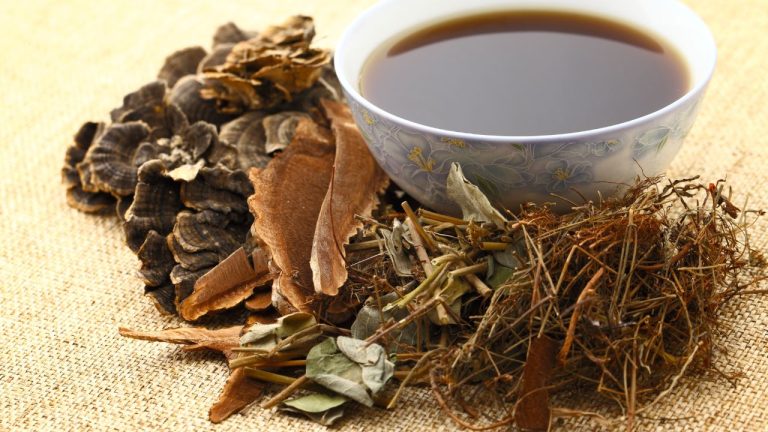
Traditional Chinese Medicine (TCM), a practice ingrained in 3000 years of history, is known for its unique approach toward understanding and treating health and disease. Its intriguing perspective places a heavy emphasis on diet and nutrition, viewing food not merely as sustenance but as an essential form of medicine. This ancient practice’s sophistication and depth have withstood the test of time, continually valued in our modern society.
Peeling back the layers, we delve into the heart of Traditional Chinese Medicine, exploring the pivotal role of diet and nutrition, underpinning its philosophy. In this journey, we uncover how foods are systematically classified, leveraged, and seamlessly integrated within TCM’s preventative and curative framework.
Tracing back to ancient dynastic China, Traditional Chinese Medicine embodies a holistic health view, where the body, mind, spirit, and environment are interconnected. It revolves around the Yin-Yang theory, Five Element Theory, and the concept of Qi or ‘life force’. Imbalance between these aspects can lead to illness, and diet plays a critical role in restoring this equilibrium.
From a TCM standpoint, diet is a vital component in maintaining optimal health and treating specific ailments. It runs on the principles of warm and cold, Yin and Yang, and the five tastes – sweet, sour, bitter, spicy, and salty. Each food has distinctive properties and correlates to specific organs, helping balance bodily functions and energy flow, thereby impacting overall health and wellbeing.
Understanding this intricate system of beliefs and practices will pave the way for a deeper exploration into how diet and nutrition play significant roles in Traditional Chinese Medicine.
In Traditional Chinese Medicine, food is more than nutrients; it’s fundamentally viewed as energy. This belief stems from the principle that all life forms are deeply interconnected with nature, where we share a collective energy—Qi (pronounced as ‘Chee’). With every bite taken, we consume the food’s Qi, which further transforms into blood and body fluids, vital substances for our survival.
Foods are classified into warm, hot, cool, or cold categories based on their inherent nature, not their physical temperature. This thermal property influences our bodies, contributing to the harmony of Ying and Yang within. A healthy diet, according to TCM, is about balancing the intake of these foods in response to our body’s needs and seasonal changes.
Traditional Chinese Medicine also categorizes foods into five broad tastes or flavors – sweet, sour, bitter, pungent, and salty. Each flavor corresponds to specific organs and therapeutic actions within the body. For instance, sweet foods generally nourish the body and improve digestion, while bitter foods release excess heat and dampness from the body. The art of meal planning in TCM thus becomes an intricate balance of incorporating these five flavors, ensuring nutrient diversity and promoting the flow of Qi.
However, it’s important to remember that each individual’s dietary needs in TCM can be unique, depending on their constitution and prevailing health conditions. Hence, consulting a TCM practitioner ensures a tailored approach to harnessing the healing prowess of diet and nutrition effectively.