In a world where the pace of life is ever-accelerating, stress has become a ubiquitous companion for many. Our days are characterized by a series of demands that leave little room for reprieve, often resulting in a myriad of physical and psychological repercussions that complicate our overall well-being. The quest for solace has led many to rediscover ancient practices, acupuncture being among the foremost, now experiencing resurgence as a natural antidote to the chronic stressors of modern living.
As we delve into this topic, we find ourselves at the confluence of traditional wisdom and contemporary science, wherein lies the potential for profound healing. Acupuncture, with its roots deeply embedded in the annals of history, emerges not as an esoteric relic but as a relevant and potent tool in our arsenal against the modern epidemic of stress.
Understanding Stress and Its Impact on Our Lives
Stress, while often used colloquially to describe general feelings of tension or anxiety, is actually a complex physiological response to perceived challenges or threats. This response, commonly referred to as the “fight or flight” reaction, can be lifesaving in dangerous situations but deleterious when triggered too frequently or intensely. Chronic stress can lead to a host of health issues, including heart disease, diabetes, depression, and anxiety disorders. It can also impair cognitive function, reduce sleep quality, and weaken the immune system, making us more susceptible to illnesses.
The prevalence of stress in contemporary society has created an environment where its management is imperative for maintaining mental health and overall well-being. The inclusion of holistic approaches like acupuncture becomes increasingly relevant in our search for effective strategies to mitigate the pervasive effects of stress. By addressing both the root cause and the symptoms, these traditional practices offer a comprehensive approach to combating the detrimental impact stress has on our lives.
Stress manifests not only as a psychological burden but also as a physical toll on our bodies, precipitating the search for non-pharmacological treatments that cater to the complexities of the human condition. Enter acupuncture, a staple of traditional Chinese medicine, which has been practiced for thousands of years and is now gaining traction in Western society as an alternative or supplemental therapy for stress management and overall health promotion.
Acupuncture: An Ancient Practice for Modern Problems
In the context of our modern fast-paced world, the ancient healing practice of acupuncture presents itself as a beacon of serenity. Although it originated millennia ago, this time-honored technique has crossed cultural boundaries and evolved with scientific inquiry to become more than just an artifact of traditional medicine. Its principles, although once considered mystical, are now recognized for their physiological basis and potential therapeutic benefits.
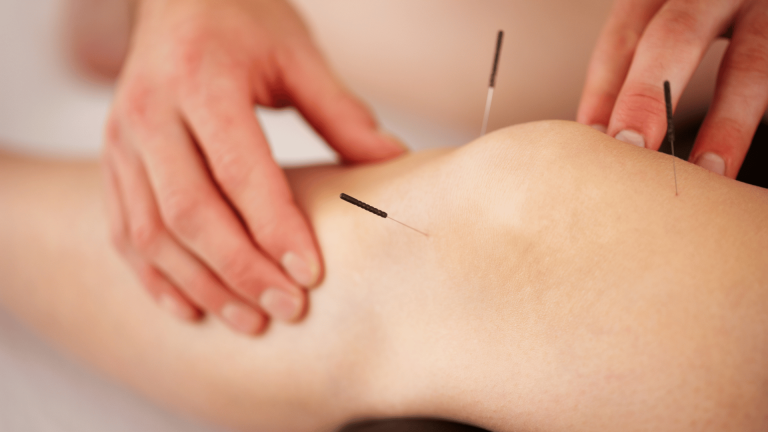
Harnessing the body’s own mechanisms to restore balance and health, acupuncture involves the insertion of fine needles into specific points, known as acupoints, along meridians believed to be channels for the flow of energy, or qi (pronounced “chee”). Although the existence of qi is not supported by contemporary science, the stimulation of acupoints has been shown to influence the nervous system, potentially explaining the stress-relieving effects noted by many who undergo this practice.
To comprehend the appeal of acupuncture in today’s world, we must appreciate its two-fold allure: the lack of significant side effects commonly associated with pharmacological interventions, coupled with a holistic approach that aligns with a growing desire for natural and integrative health solutions. Patients are not merely seeking remedies for their ailments; they are increasingly advocating for wellness-oriented lifestyles that emphasize prevention and natural self-regulation—ideals that acupuncture embodies.
The Science Behind Needle Therapy
A crescendo of scientific research underscores acupuncture’s legitimacy, revealing how the strategic placement of needles can lead to measurable changes in the body’s biochemistry. Studies suggest that acupuncture can increase the release of endorphins, the body’s natural painkillers, and stress-fighting hormones, thus promoting relaxation and a sense of well-being. Furthermore, neuroimaging studies have observed that acupuncture can modulate activity within the brain, an area often impacted by stress-related disorders.
Beyond just anecdotal evidence and individual success stories, clinical trials and meta-analyses provide a wider lens through which to view acupuncture’s efficacy. The World Health Organization (WHO) has acknowledged its potential in treating various conditions, and while more research is necessary to fully understand the mechanisms at play, the existing body of evidence lends credibility to acupuncture’s role in stress reduction and psychological health.
How Acupuncture Works for Stress Relief
The hustle and bustle of modern life often leaves us in a chronic state of stress, with our sympathetic nervous system—the body’s flight or fight response—constantly engaged. Acupuncture’s ability to activate the parasympathetic nervous system, responsible for rest and digestion, is where its power for stress relief lies. When needles are inserted into the skin at acupoints, they can stimulate nerves that signal the brain to release endorphins and other neurochemicals, fostering a state of ease and tranquility.
This integrative therapy goes beyond merely managing symptoms; it aims to address the root causes of stress by promoting an equilibrium within the body. By targeting specific points, acupuncture can help mitigate the adrenal overload that often comes with prolonged stress exposure, consequently reducing the incidence of stress-induced ailments such as hypertension, digestive disturbances, and insomnia.
Tailoring Treatments to Individual Needs
Each person’s experience with stress is unique, which is why acupuncture treatments are highly individualized. A licensed acupuncturist assesses the patient’s overall health, stress levels, and lifestyle factors before creating a personalized treatment plan. This may include a combination of acupoint stimulation, herbal medicine, and lifestyle recommendations, all of which synergistically work to enhance resilience to stress.
Research has also uncovered that acupuncture can regulate levels of cortisol, commonly known as the stress hormone. By normalizing these levels, acupuncture can not only provide immediate relief from the feelings of stress but also contribute to long-term stress management and prevention of chronic stress effects on the body. With each session, patients often report an increase in their mental clarity and energy levels, as well as improved sleep quality—clear indicators of acupuncture’s multifaceted impact on stress.
By addressing both the physical and emotional manifestations of stress, acupuncture provides a comprehensive approach to wellness that is deeply rooted in natural healing traditions, yet confirmed by modern science. The nuanced understanding of the human body that acupuncturists bring to their practice reflects a commitment to treating the individual as a whole, making acupuncture a standout option in the quest for authentic stress management.
After delving into the ways in which acupuncture can alleviate stress by engaging the body’s natural healing responses, it’s valuable to consider how this traditional therapy can be integrated with other stress management techniques to create a more robust and holistic approach to wellness.
Combining Acupuncture with Other Stress Management Techniques
Incorporating acupuncture into a comprehensive stress management plan can significantly enhance its efficacy. For those seeking to amplify their journey to stress-free living, merging the ancient wisdom of acupuncture with contemporary strategies such as mindfulness meditation, yoga, and proper nutrition can yield remarkable results.
Mindfulness meditation, in conjunction with regular acupuncture sessions, encourages individuals to stay present and aware, Cultivating an attentive mind-state which not only complements the calming effects of acupuncture but also empowers individuals to better recognize and manage stressors as they arise. Consistent yoga practice similarly promotes relaxation, flexibility, and strength, all of which support the body’s ability to cope with stress and can be especially beneficial when paired with the balancing effects of acupuncture.
Creating a Personalized Wellness Routine
Developing a personalized routine that includes healthy eating habits contributes to the stabilization of energy levels and mood, offering additional support to the stress-reducing benefits provided by acupuncture. By focusing on whole foods and maintaining stable blood sugar levels, the chances of experiencing stress-induced cravings or energy crashes diminish, creating a more even-keeled emotional state.
Moreover, implementing good sleep hygiene practices is critical for stress management. Acupuncture is known to promote better sleep quality, and when combined with strategies such as maintaining a consistent sleep schedule and creating a restful environment, it can further aid in reducing overall stress levels. Patients are encouraged to discuss their lifestyle habits with their acupuncturist, who can tailor advice and treatment to help them achieve the best possible results.
Through the integration of acupuncture with a variety of stress reduction practices, each individual has the potential to construct a powerful, multifaceted approach to managing stress effectively. Embracing these natural remedies and lifestyle adjustments leads not only to decreased stress but also to a more balanced and healthful way of life.
Acupuncture offers a holistic approach to stress management that transcends the mere alleviation of symptoms. It addresses the intricate balance between mind and body, aiming to restore harmony and promote enduring wellness.
Acupuncture Offers a Holistic Approach to Managing Stress
In a society where medical treatments often focus on addressing symptoms rather than causes, acupuncture stands out by seeking to treat the root of stress-related issues. This ancient healing technique looks beyond the surface, tapping into the body’s inherent wisdom to rebalance its energies and strengthen its resilience against the pressures of modern life.
The practice of acupuncture instills a sense of tranquility during treatment sessions, but its effects extend far beyond these moments of calm. As individuals continue to receive acupuncture, they may notice a shift towards a more relaxed demeanor in their daily lives. This change reflects the deeper, systemic adjustments that acupuncture initiates within the body’s energetic pathways, leading to sustained stress reduction and improved emotional health.
Tailoring Treatment to Individual Needs
A fundamental aspect of acupuncture’s success in managing stress lies in its personalized approach to healing. Each session is tailored to meet the unique needs of the individual, with practitioners carefully considering a person’s lifestyle, stress levels, and overall health. Such personalization ensures that the treatment supports not just temporary relief but also long-term health and well-being.
By engaging with acupuncture, individuals embark on a journey of self-discovery and self-care that honors their individuality. The acupuncturist serves as a guide, empowering patients with knowledge and practices to support their own path to stress resilience. This collaborative dynamic is central to the holistic philosophy of acupuncture, which values the patient’s active participation in their healing process.
As we navigate an ever-changing world fraught with demands and challenges, acupuncture provides a sanctuary of balance and restoration. Through its capacity to harmonize the body’s energies, this timeless practice proves to be a profoundly relevant remedy for today’s pervasive stress. Acupuncture not only soothes the spirit but also reignites the body’s natural vitality, encouraging a life lived with less tension and greater peace.